"Dr. Sasse is the best surgeon. He has a kind bedside manner."
June Kelly
⭐️⭐️⭐️⭐️⭐️

Incontinence (also called accidental leakage) is the unintentional loss of stool, urine, or gas. It can range from occasional leakage to difficulty holding a full bowel movement—but it's common, treatable, and we have effective options to help.
Affects millions of adults of all ages, with varying degrees of severity
Advanced treatments can significantly reduce episodes and restore confidence
Every treatment plan is customized to your specific symptoms and lifestyle
Learn about the causes, who's affected, and why seeking treatment matters
Adults of all ages—more common with aging, male or female, after pelvic surgery, or following childbirth.
Watch real stories from those whose lives we've improved.
Patient shares how treatment helped restore their quality of life and confidence.
Discover how our advanced treatments transformed this patient's daily life.
One established way to help restore communication between the brain, pelvic neural plexus, and
bowel/bladder muscles.
Sacral neuromodulation (SNM) is a minimally invasive therapy that gently modulates the sacral nerves to help restore bowel control. A tiny implant sends gentle pulses that help normalize bladder and bowel nerve signals.
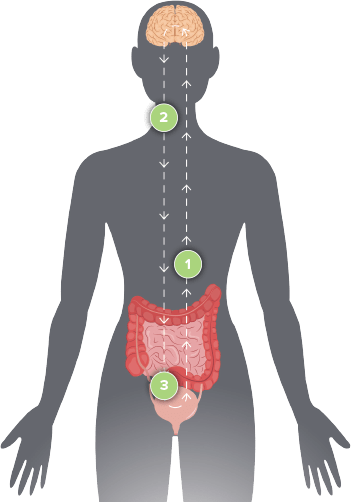
The SNM system sends gentle electrical pulses to the sacral nerves, helping to restore normal communication between the brain and bowel.
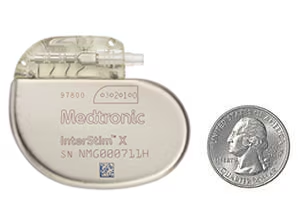
Medtronic InterStim System
A miniaturized implantable pulse generator with handheld remote for personalized therapy.
Click each step to learn more about the process
Begin your journey with a comprehensive evaluation by our continence specialist to determine if sacral neuromodulation is right for you.
Experience the therapy firsthand with a temporary trial to ensure effectiveness before permanent implantation.
If your trial shows meaningful benefit, proceed with the permanent implant during a brief, same-day outpatient procedure.
Receive continuous support and monitoring to ensure optimal therapy outcomes and long-term success.
Real experiences from people we've helped.
"Dr. Sasse is the best surgeon. He has a kind bedside manner."
"I've had an absolutely amazing experience with Dr. Sasse's office! Highly recommend!!!"
"Dr. Sasse and his staff are wonderful, making you feel cared for during every step."
"First surgery yesterday. It was done at Quail Surgery and Pain Management. Dr. Sasse was my surgeon and he does an amazing job. He is knowledgeable and caring and took the time to answer all of my millions of questions to ease my anxiety. He did a gastric on my husband a few years ago and did a great job on that for him as well. We come from a town with less than ideal surgeons and a horrible hospital, so we made the trek to Reno. I felt much better about my surgery knowing I didn't have to go to my local hospital and even better knowing it was going to be Dr. Sasse. Highly recommend."
"Dr. Sasse is very professional and knowledgeable. He takes his time to explain the procedure and desired outcome of the surgery. His staff is top notch and polite. Great experience, I can't say enough about him or his staff."
"Great staff, great care… extremely happy."
"All the staff at Nevada Surgical along with Dr. Sasse were easy to talk to and ask questions. They know their business and know how to take care of you."
"Great work by Dr. Sasse of Nevada Surgical. Thank you so much for your amazing surgical skills and expertise. He never gave me the runaround—just straightforward answers. Thank you, Dr. Sasse."
Individual results vary.
Most major insurance plans and Medicare cover sacral neuromodulation. Our team assists with pre-authorizations.






Take the first step — same‑week visits often available.
Call us at 775–299–4302